

A screen number tells you the size of the bean, not the quality of the cup. That distinction matters when you compare Ugandan Robusta offers. A clean Screen 15 lot can beat a poorly prepared Screen 18 lot in the cup, and a Screen 18 lot can be the wrong choice for your product.
CabLinks offers Ugandan Robusta in FAQ Screens 12, 15, 17 and 18. Here is what each one means and what to ask before you contract.
What a screen number measures
Coffee screens are measured in 1/64 inch. A Screen 12 lot passes through a screen with 12/64 inch openings and is retained on the next screen. In metric terms, the four common Robusta screens are:
| Screen | Opening | What it usually means |
|---|---|---|
| Screen 12 | 4.76mm | Smaller beans, often used in price-sensitive blends and instant products. |
| Screen 15 | 5.95mm | A versatile middle grade for espresso blends and general export. |
| Screen 17 | 6.75mm | A larger bean with good visual appeal and a solid body. |
| Screen 18 | 7.14mm | The largest of the four, often chosen for premium Robusta blends. |
These are size bands, not flavour guarantees. The cup, moisture, defect count and crop year still decide whether a lot is right for you.
What each screen suits
Think about the product first, then the screen.
- Screen 12: useful when bean size is less important than price and a consistent, bold cup. Check the defect count carefully, because smaller beans can carry more imperfections.
- Screen 15: a practical all-rounder for espresso blends and food service. It gives you body and crema without paying for the largest beans.
- Screen 17: a good choice for roasters who want a larger bean and a strong visual result in the bag.
- Screen 18: the premium visual grade. Use it when your customers see the bean and when the lot’s cup supports the position.
A higher screen is not automatically better. A Screen 18 lot with high moisture or a dull cup is not a premium product. A Screen 15 lot with a clean cup and consistent colour can be the better buy.
What the screen does not tell you
Before you compare price, ask for the details behind the screen:
- Screen distribution: a lot is a mix of screens, not one number. Ask what percentage sits on the main screen.
- Moisture: agree a measured range in the contract.
- Defects: ask for the count and the defect categories.
- Cup: request the cupping notes and, where possible, a sample.
- Crop year: old crop and new crop can behave differently in the roaster.
- Processing and storage: clean, dry storage protects the cup.
How to specify a Robusta lot
Use a written specification, not a single word. Include the species, origin, screen, screen distribution, crop year, moisture range, defect limit, cup expectation, packaging and volume.
If you need a custom blend of screens, say so. Some buyers take a main screen plus a smaller percentage of a neighbouring screen to hit a price or a cup target.
A quick way to compare two Robusta offers
Put the two offers side by side on the same five lines: screen distribution, moisture, defect count, cup notes and crop year. If one seller cannot fill a line, the comparison is not complete.
Then compare the commercial terms. A lower price on a FOB basis is not comparable with a CIF price that includes freight and insurance. Ask for the same Incoterm, the same packaging and the same volume before you decide.
Where CabLinks fits
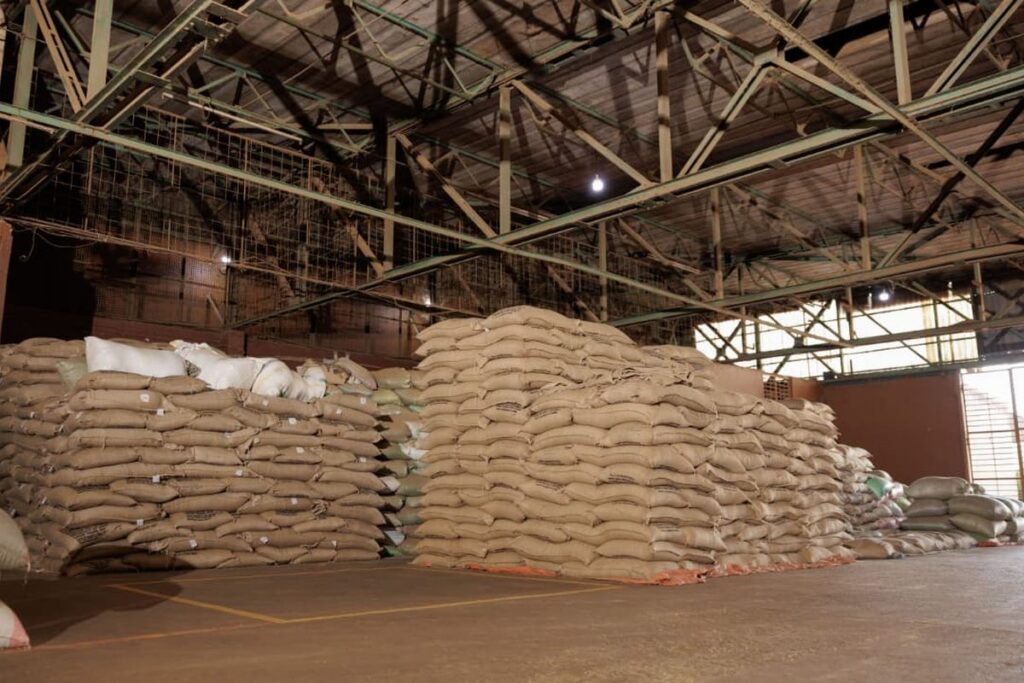
CabLinks offers FAQ Robusta in Screens 12, 15, 17 and 18 from Uganda’s Central, East Central and Western regions. Lots are cleaned, hulled, graded and colour sorted, then cupped before shipment. We pack in 60kg jute bags or to buyer specification and quote FOB and CIF.
Next step: See our Robusta grades, review our quality process, or request current offers and samples.
Related reading: What is Fair Average Quality coffee? and Uganda’s Robusta regions.