

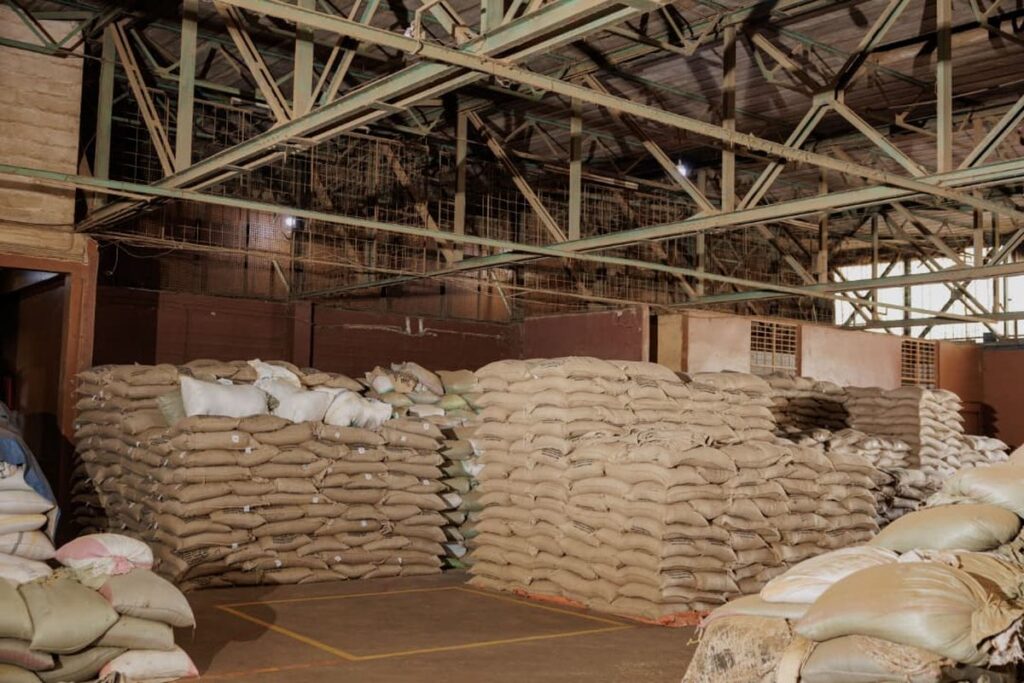
Two bags can both say Ugandan Arabica and drink nothing alike. One may be a natural lot with a full body and a fruit-forward cup. The other may be a washed lot with clarity, acidity and a lighter structure. The difference starts with process and grade.
CabLinks ships Natural DRUGAR and washed A, AA and PB Arabica. Here is what those names mean and how to choose between them.
Start with the process
Natural coffee is dried in the whole cherry. The bean spends longer in contact with the fruit, which can add body, sweetness and fruity notes. Washed coffee has the fruit removed before drying, which usually gives a cleaner, brighter cup with more clarity.
Neither process is better. They are different tools. A natural lot may suit a dark roast, an espresso blend or a buyer who wants fruit and body. A washed lot may suit a filter programme, a light roast or a buyer who wants acidity and transparency.
What the names mean
| Grade | Process | What to expect | Useful for |
|---|---|---|---|
| Natural DRUGAR | Natural / dry | Fuller body, sweetness and fruit character. | Espresso blends, dark and medium roasts, buyers who want body. |
| Washed A | Washed | Clean cup, clear acidity and a lighter body than natural. | Filter, espresso and everyday single-origin offers. |
| Washed AA | Washed | A larger screen grade, usually selected for a more premium lot. | Single-origin filter, specialty espresso and showcase lots. |
| Washed PB | Washed | Peaberry: one round bean inside the cherry instead of two flat beans. | Niche single origins and separate roast profiles. |
AA and A are screen-based grades. PB is a bean shape, not a screen size. Ask your exporter for the exact screen range behind each grade, because naming conventions can vary between mills and seasons.
How region changes the cup
The same grade from two regions can taste different. Kigezi is bright and complex. Rwenzori is high-altitude and expressive. West Nile is sweet and balanced. Mount Elgon is full-bodied with cocoa notes.
That is why a grade alone is not a full specification. If you want a particular profile, name the region as well as the grade, and cup the sample before you commit.
What to put in your enquiry
- Process: natural or washed.
- Grade: DRUGAR, A, AA or PB.
- Region or a shortlist of regions.
- Crop year and shipment window.
- Screen range, moisture and defect limits.
- Volume, packaging and Incoterm.
- A sample size and courier address.
How to compare two Arabica offers
Compare the process first, then the grade, then the cup. A natural DRUGAR and a washed AA are different products, even if both come from the same region. Ask for the screen range, moisture, defect count and crop year for each lot.
If you need a consistent house profile, ask whether the exporter can repeat the same specification across shipments. A single excellent lot is useful. A repeatable lot is a supply programme.
Where CabLinks fits
CabLinks ships Natural DRUGAR and washed A, AA and PB Arabica from Kigezi, Rwenzori, West Nile and Mount Elgon. Lots are cleaned, hulled, graded, colour sorted, cupped and packed in 60kg jute bags or to buyer specification. We quote FOB and CIF and supply samples before shipment.
Next step: See our Arabica grades, explore the regions, or request a quote and sample set.
Related reading: Uganda coffee regions and how coffee is processed from cherry to green bean.